
How Leading Apparel Brands Use 3D Garment Visualization for Seasonal Line Presentations
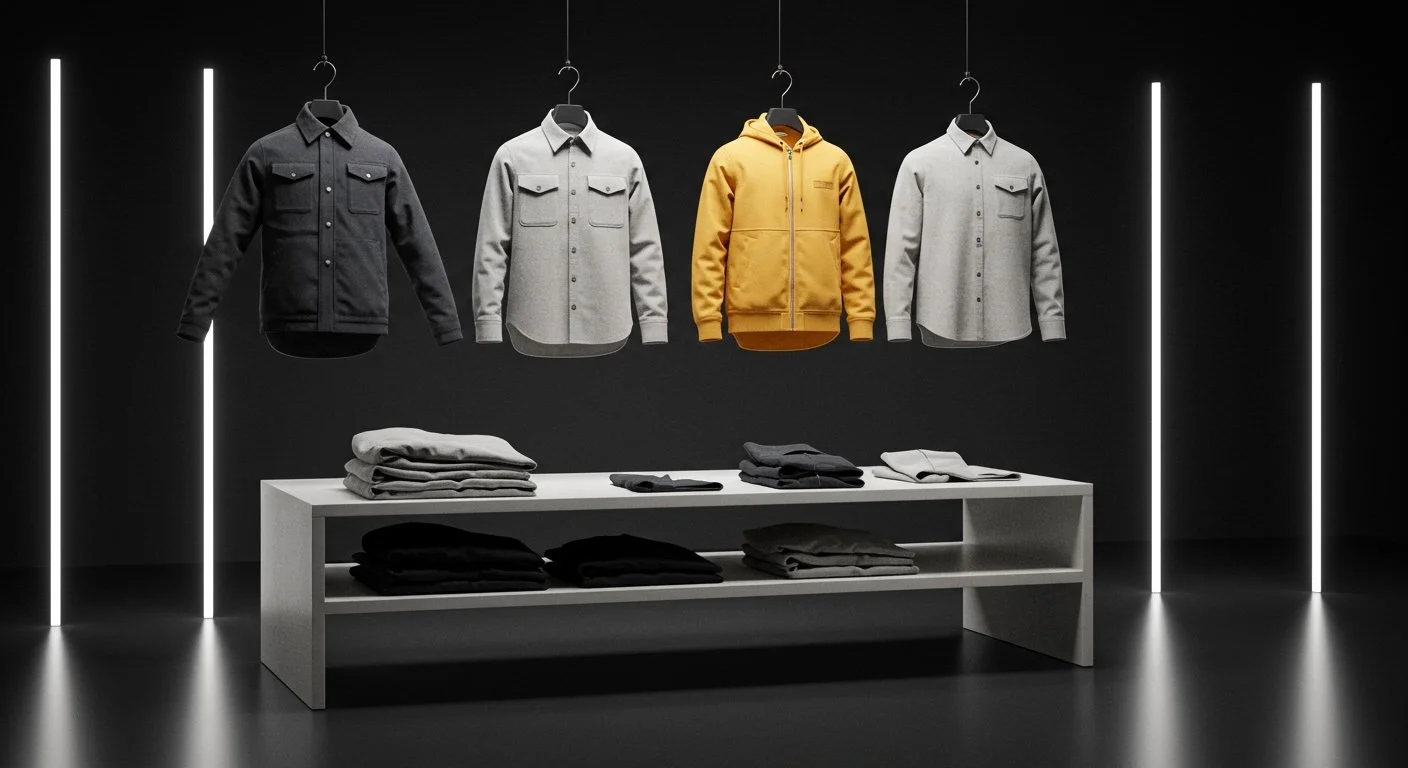
For large apparel and softgoods brands, seasonal line presentations are no longer just about showing what a product looks like — they’re about speed, clarity, alignment, and confident decision-making.
As product lines grow more complex and timelines get tighter, leading brands are turning to 3D garment visualization and digital apparel rendering to present seasonal collections efficiently and consistently across teams. What started as a design tool has become a core asset for creative direction, product development, and seasonal storytelling.
Here’s how top apparel brands leverage digital garment visualization today — and why creative directors are increasingly involved in the process.
Beyond Design: Visualization Across Departments
Traditionally, 3D garment visuals were used mainly in the design department. Today, that’s changed.
Leading brands now use digital apparel rendering across:
Seasonal line reviews
Internal approvals
Sales and sell-in decks
Retail line sheets
Pre-launch marketing materials
For creative directors, this shift matters because visual consistency and narrative control can now happen earlier — long before physical samples or photography exist.
Instead of reacting to what design delivers, creative teams can help shape how the line is presented from the start.
Why Seasonal Line Presentations Benefit From 3D Visualization
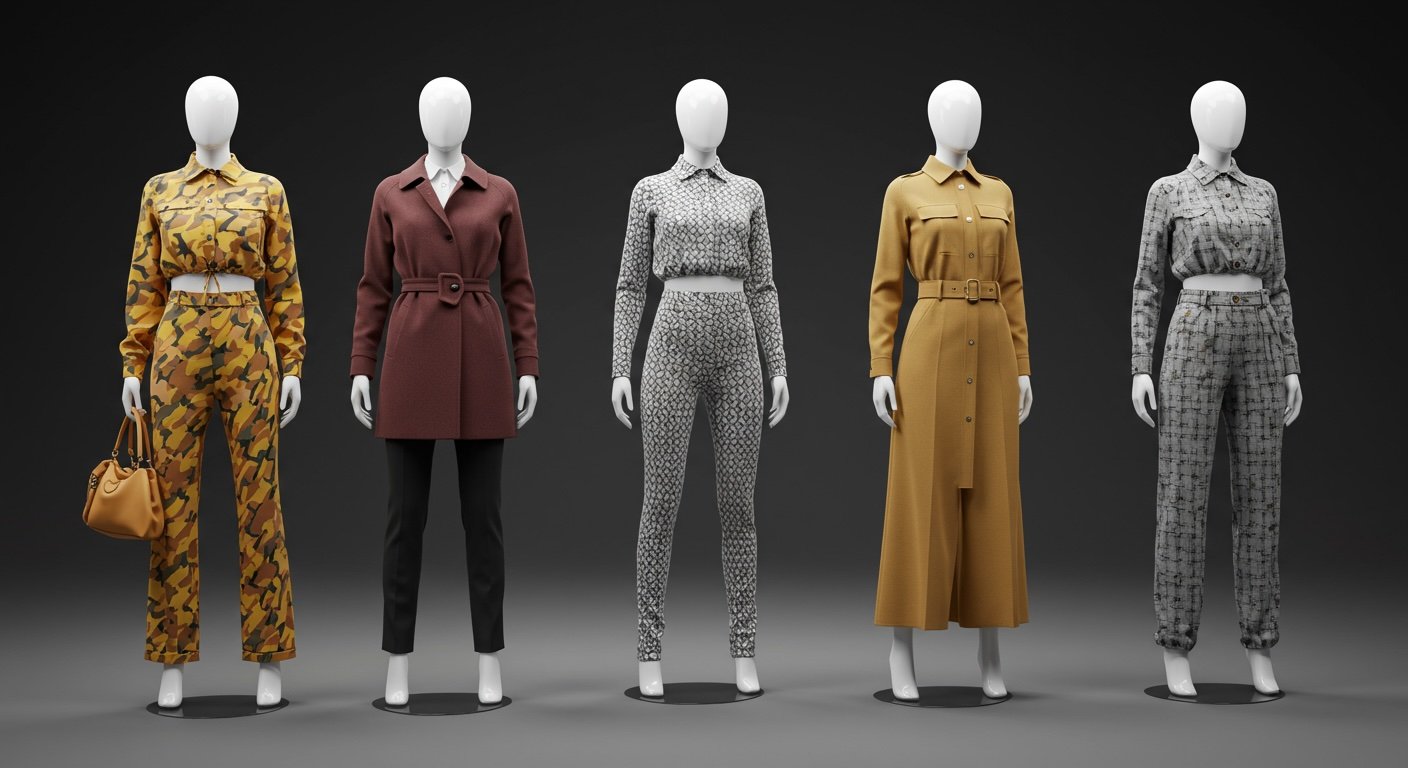
Seasonal collections introduce unique challenges:
Dozens (or hundreds) of SKUs
Multiple colorways per style
Fabric and trim variations
Tight deadlines for line reviews and sell-in
3D garment visualization allows brands to present an entire seasonal line cohesively, even when products are still in development.
How Leading Brands Do It

Instead of creating one-off “hero” visuals, top brands:
Build seasonal garment libraries for quick iteration
Standardize lighting, poses, and presentation angles
Ensure fit, fabric behavior, and construction details are accurate
Treat digital garments as reusable assets, not disposable visuals
This approach lets creative directors review the entire line as a system, not as isolated pieces.
Creative Directors Gain Control and Consistency
One of the biggest benefits of digital garment visualization is visual consistency.
With high-quality 3D renders:
Every product uses the same lighting and camera logic
Colorways are accurate and consistent across SKUs
Proportions and fit remain uniform across categories
This makes line presentations feel intentional and premium — something difficult to achieve when mixing early samples, rough photography, and placeholder assets.
Learn about our 3D Garment Rendering Services
Faster Iteration Without Compromising Quality
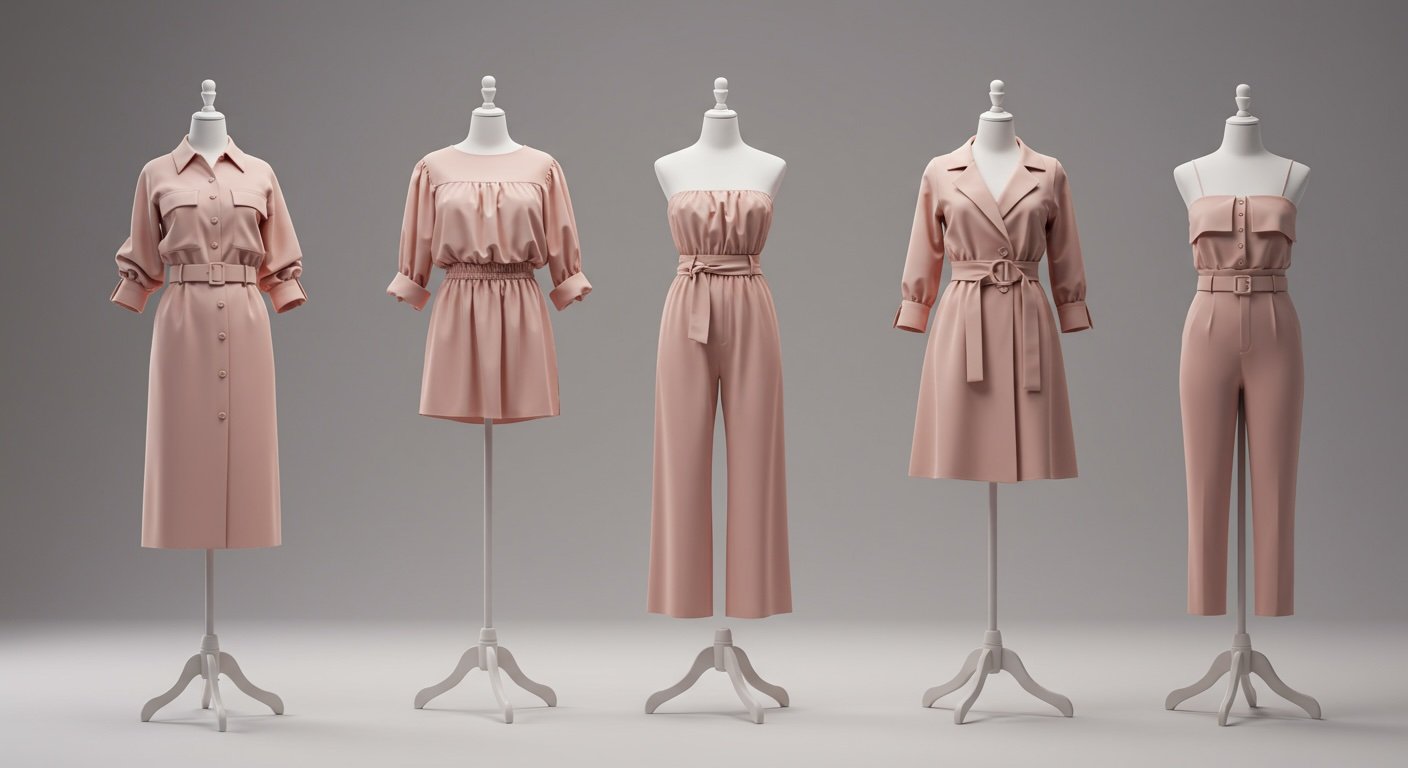
Seasonal lines evolve quickly. Colors change. Fabrics are swapped. Details get refined.
Digital garment visualization allows:
Rapid colorway updates
Fabric and material changes without reshoots
Style tweaks without restarting production
For creative directors, this means iteration without chaos. Teams can adjust digital garments while maintaining polished, presentation-ready visuals throughout the season.
This is especially valuable during:
Line review meetings
Executive approvals
Regional sell-in presentations
Bridging Design, Product, and Marketing Teams
3D garment visualization acts as a shared visual language.
Leading brands use the same digital garments across departments:
Designers validate intent and fit
Product teams confirm construction details
Creative teams shape the visual story
Marketing teams prep launch-ready imagery
When everyone references the same high-quality assets, alignment improves — and last-minute surprises decrease.
See the Lewis Hamilton jacket we designed.
Why Many Brands Pair Visualization With Expert 3D Teams
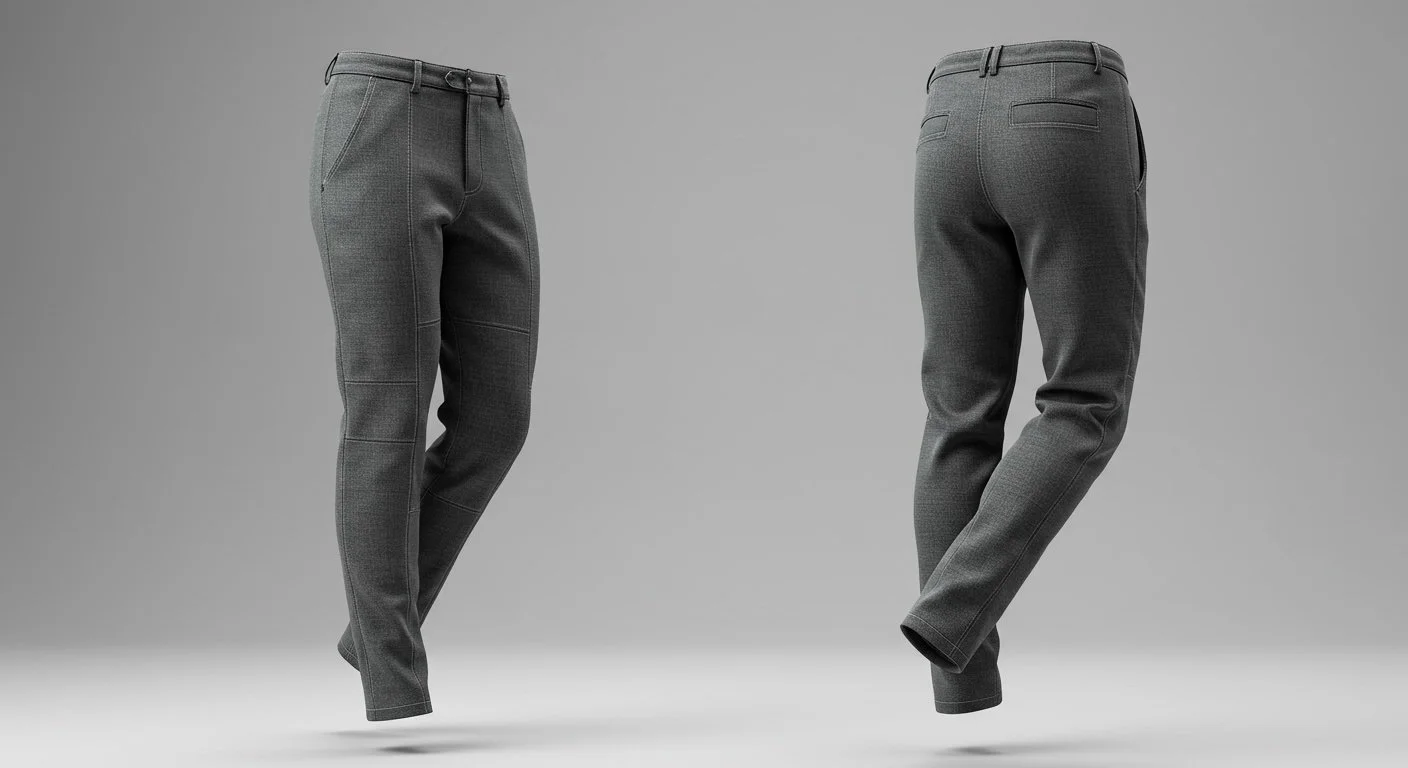
While digital garment visualization is powerful, top brands rarely rely on raw 3D outputs alone.
Instead, they:
Ensure pattern and fit accuracy
Enhance lighting, materials, and presentation for a polished finish
Maintain brand-level quality for executive decks, sales presentations, and marketing
For creative directors, this means digital assets that are on-brand, not overly technical or unfinished.
Seasonal Rendering Works Best as an Ongoing Partnership
Brands that get the most value treat visualization as a seasonal system, not a one-off project.
By working with the same creative partner season after season, they benefit from:
Reusable fabric and trim libraries
Faster onboarding each season
Lower cost per SKU over time
Visual continuity across collections
👉 Check out our Ultimate Guide to Clothing Renders for Fashion Brands.
3D Garment Visualization Is a Creative Director Tool
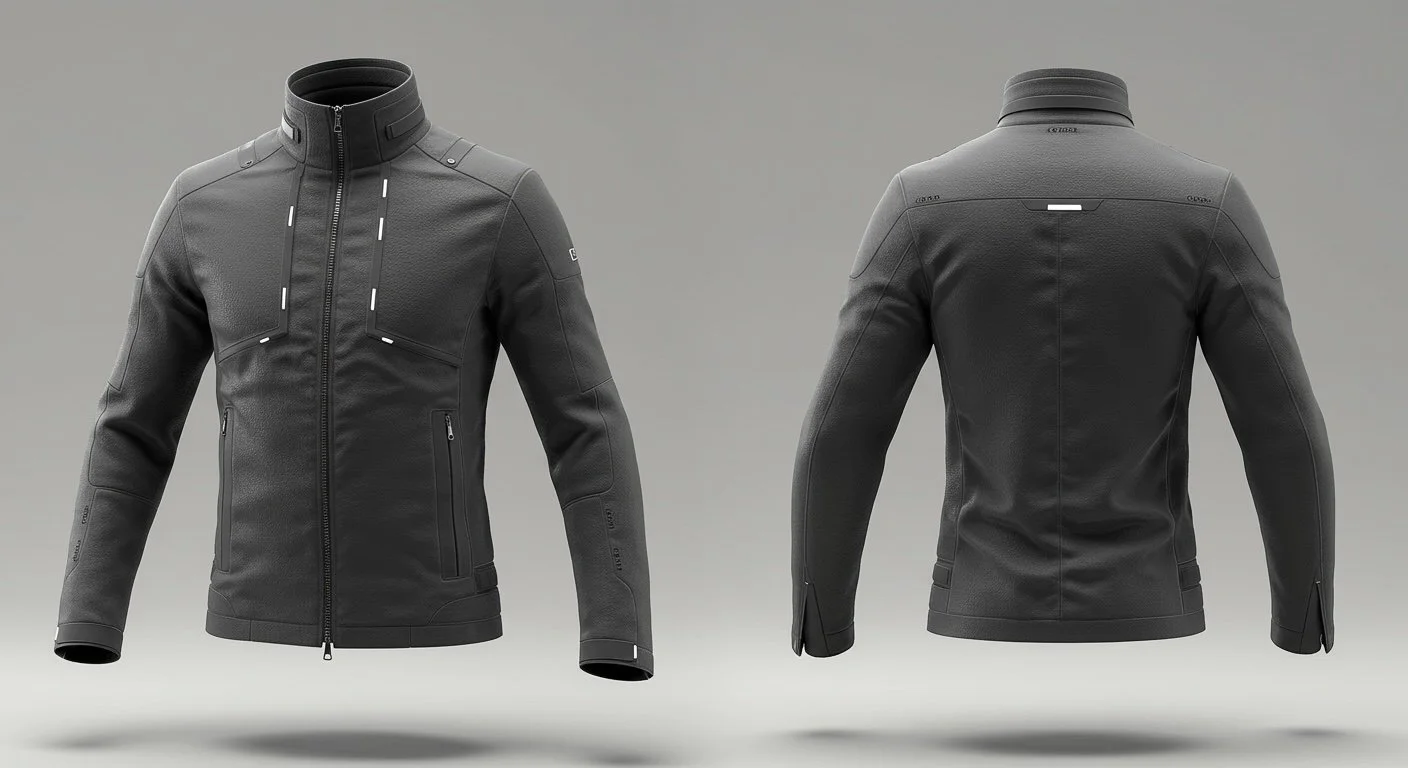
As apparel timelines compress and expectations rise, digital garment visualization has become a strategic asset for creative leadership.
Leading brands use it to:
Present stronger seasonal stories
Align teams earlier in the process
Reduce sampling and reshoots
Move faster without sacrificing quality
For creative directors, visualization isn’t about replacing creativity — it’s about protecting it through better tools, clearer visuals, and more control over seasonal line presentations.
—
Does your brand need help with 3D Garments? Join our waitlist.